
The Allure of Casinos: A Psychological Perspective
Casinos are designed to be enticing environments that engage the senses and draw players in. The sights, sounds, and even smells are strategically crafted to create an atmosphere of excitement and possibility. This sensory overload can trigger a psychological response that encourages visitors to gamble, often leading them to underestimate the risks involved. Understanding this allure is crucial for recognizing the psychological factors that contribute to winning or losing, especially when exploring betting sites.

This environment utilizes certain psychological principles, such as the near-miss effect, which occurs when a player almost wins, creating a feeling of hope and reinforcing continued play. This phenomenon, combined with bright lights and celebratory noises, fosters an emotional attachment that can skew rational decision-making in favor of optimism, making it difficult for players to walk away.
The Role of Cognitive Biases in Gambling
Cognitive biases significantly influence gambling behavior, often blurring the line between chance and skill. One of the most common biases is the gambler’s fallacy, where players believe that past outcomes will influence future results. For instance, if a player sees several losses in a row, they may mistakenly believe a win is “due.” This flawed thinking can lead to poor betting decisions and increased losses over time.
Another critical bias is confirmation bias, where individuals seek out information that confirms their beliefs while ignoring contradictory evidence. In a casino setting, this might manifest as a player only remembering their wins while disregarding their losses. Such biases not only affect individual strategies but also create an environment where the illusion of control reigns, making it harder for players to identify when they should stop.
The Emotional Rollercoaster of Gambling
The emotional highs and lows associated with gambling play a pivotal role in the psychology of winning. Winning can elicit feelings of joy and validation, reinforcing the behavior and motivating players to continue. Conversely, losing can provoke frustration, anger, or desperation, leading players to chase losses in hopes of a turnaround. This cycle of emotion is a double-edged sword that can lead to significant financial consequences if not managed properly.
Moreover, the adrenaline rush that comes from gambling can be addictive. Some players find themselves in a constant quest for that high, leading to an emotional dependency on the gambling experience. This attachment can cloud judgment, making it difficult to make sound, rational decisions about when to walk away, ultimately impacting their overall success at the casino.
The Impact of Social Interaction on Gambling Behavior
Social dynamics within casinos can also heavily influence gambling outcomes. The presence of other players can create an atmosphere of camaraderie, leading to increased betting and risk-taking. This social reinforcement can make the experience more exhilarating but may also result in poor decision-making as players feel pressured to conform to group behaviors.
Conversely, social isolation can lead to increased vulnerability. A solitary player might be more focused on their losses or betting strategies without the distraction of others, but they may also lack the support system to help them manage their gambling habits. Ultimately, the interaction between social dynamics and individual psychology can significantly affect a player’s experience and strategy in the casino setting.
Understanding the Psychology of Casino Strategies
Understanding the psychological aspects behind successful gambling strategies is essential for anyone looking to increase their chances at a casino. Some players employ tactics based on probability and statistics, while others rely on intuition and emotional responses. Analyzing these approaches reveals much about how different mental frameworks can influence outcomes.
Moreover, successful players often exhibit a strong understanding of their limits and the psychological tactics employed by casinos. Being able to detach emotionally from the game allows for more rational decision-making, potentially leading to greater success over time. Whether through careful bankroll management or recognizing when to take breaks, a sound psychological strategy can be as important as the actual game itself.
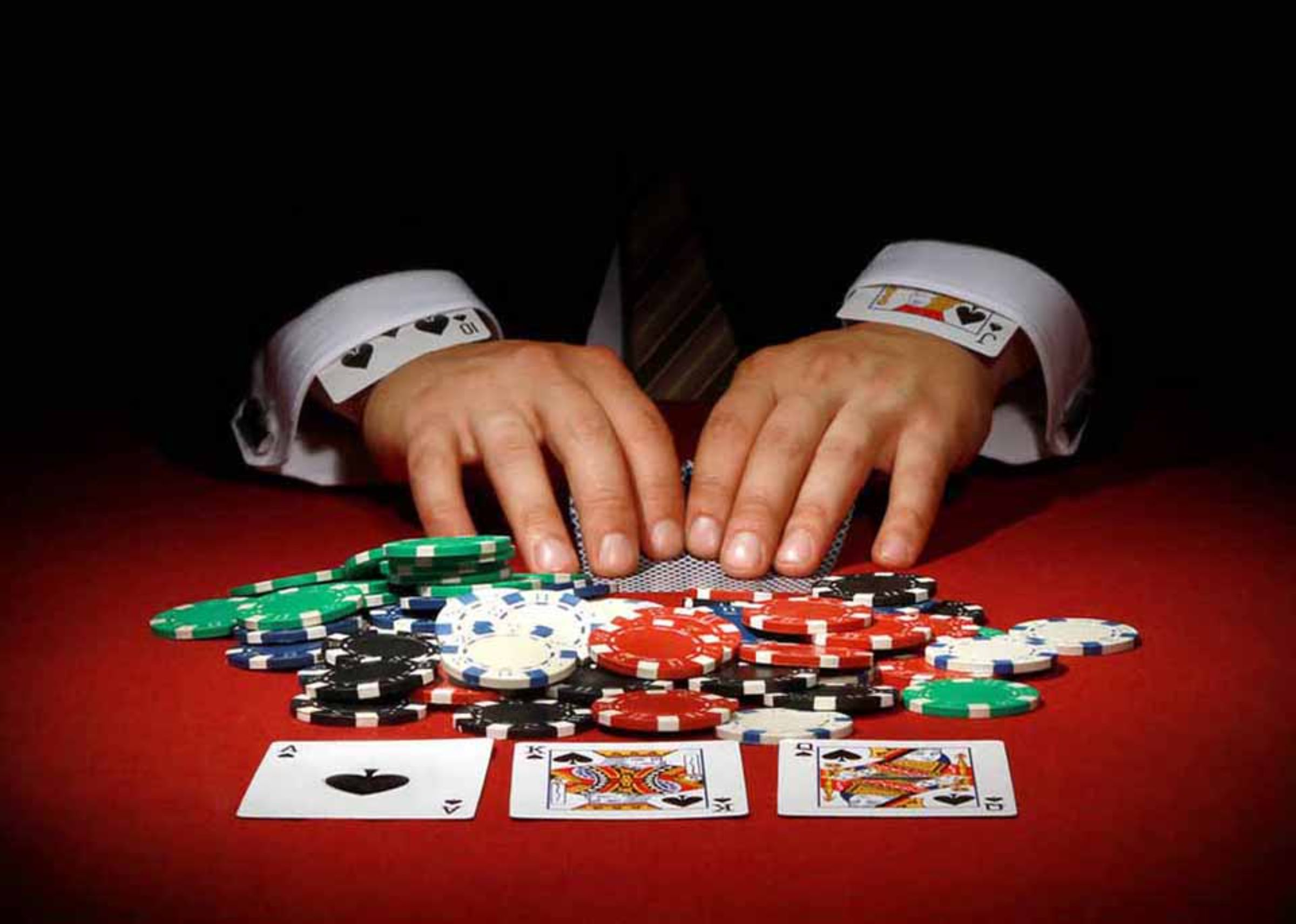
Engaging with Cognitive Mysteries on Our Platform
The exploration of psychological strategies and behaviors at casinos is just one of the captivating topics presented on our platform. The Thinking Sideways Podcast delves into mysteries and intriguing discussions that stimulate the mind and spark curiosity, inviting listeners to think critically about various subjects.
By examining uncanny topics, including those surrounding gambling psychology, we aim to provide a deeper understanding of what drives human behavior in different situations. Join us as we uncover more mysteries and engage in stimulating discussions that challenge conventional thinking.