
The evolution of gambling a historical overview of games through the ages
The Ancient Beginnings of Gambling
The history of gambling can be traced back thousands of years, with evidence dating as far back as 3000 BC in ancient China. During this time, rudimentary games of chance involved the use of dice made from bones and other materials. These early forms of gambling were often associated with religious and cultural practices, where players would seek favor from the gods through games of chance. Today, players exploring online new casinos can see how far these games have come.
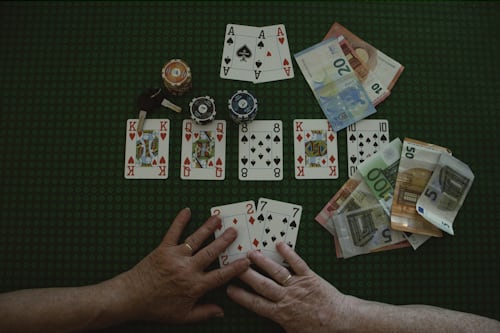
Similarly, ancient civilizations like the Egyptians and Romans engaged in various betting activities, using games to entertain themselves during social gatherings. The introduction of betting on chariot races and gladiatorial contests not only showcased the thrill of risk-taking but also highlighted the social aspect of gambling as a communal activity.
The Middle Ages and the Rise of Card Games
As societies evolved, so too did the methods of gambling. The Middle Ages saw the introduction of playing cards, believed to have originated in China and then spread to Europe. These cards provided a new dimension to gambling, allowing for more strategic play and the emergence of new games like poker and blackjack.
During this time, gambling became increasingly regulated, with governments recognizing its popularity and potential for revenue. Many countries began to impose taxes on gambling activities, leading to the establishment of licensed establishments where people could safely engage in these pastimes.
The 18th and 19th Centuries: The Birth of Modern Casinos
The 18th century marked a significant turning point in the history of gambling with the establishment of the first official casinos in Europe. The Casino di Venezia, founded in Italy, became a prototype for future gambling houses, setting the standard for luxurious environments and organized gameplay.
The 19th century brought further innovation with the introduction of new games and betting systems. The rise of the industrial revolution led to an increase in disposable income, making gambling more accessible to the masses. This era also saw the birth of lotteries, which were used to fund public projects, merging the worlds of gambling and community development.
The 20th Century: Technological Advancements and Regulation
The 20th century introduced groundbreaking changes to gambling, primarily through technological advancements. The invention of the slot machine in the late 19th century evolved into a staple of modern casinos. With the rise of the internet in the late 20th century, online gambling began to take form, revolutionizing how people engage with games of chance.
Regulatory frameworks also evolved during this period, with many countries implementing laws to govern gambling activities. This allowed for a safer and more controlled environment, protecting players from fraud and addiction while enabling governments to benefit financially from the industry.

Your Guide to Modern Gambling Experiences
As gambling continues to evolve, today’s online platforms offer a diverse array of games tailored to players’ preferences. With expert insights and comprehensive reviews, modern guides help users navigate the complexities of online casinos, ensuring safe and enjoyable experiences.
In this fast-paced digital era, players can access an extensive selection of games from the comfort of their homes. With a focus on user experience, convenience, and safety, contemporary online casinos are dedicated to providing a rewarding gambling environment that caters to both seasoned players and newcomers alike.